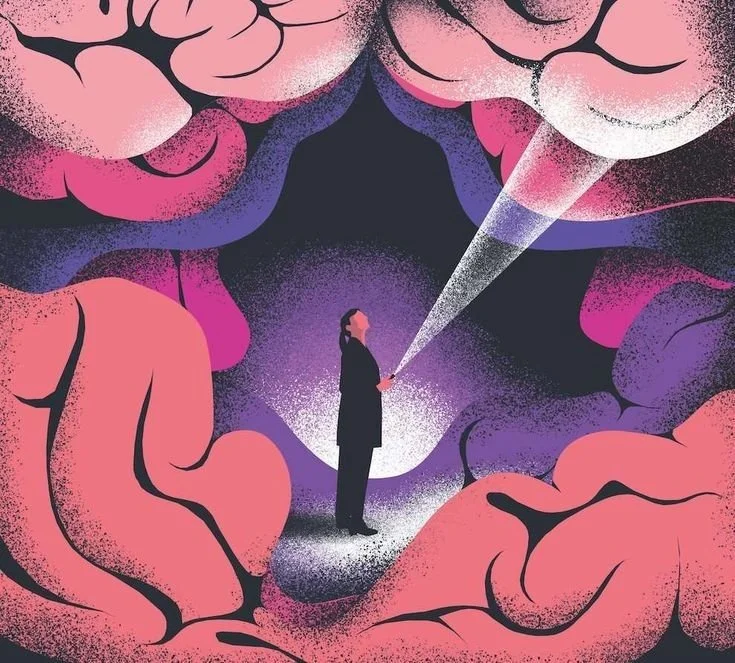
Cognitive Behavioural Therapy (CBT)
Cognitive behavioral therapy (CBT) is a therapy strategy that you can use to help clients identify and change negative thought patterns. By recognising how their thoughts influence their emotions and behavior, clients can replace harmful thinking with healthier, more balanced beliefs. CBT is widely used to address a range of emotional and psychological challenges, including anxiety, depression, and stress.
A key part of this is identifying the negative thinking patterns that you may feel trapped in, helping you to break free from these and to feel better.
CBT focuses on equipping you with the tools to address current problems in your life and relieve the symptoms you are facing, before making links to your past and how your beliefs started.
Some therapists may predominantly use CBT, while others may use techniques or skills from CBT along with approaches from other models of therapy too.
How long does CBT take?
CBT is a short-term model of therapy. People tend to engage in CBT over a period of weeks or a few months. CBT requires a significant commitment from clients for sustained change.
What can CBT help with?
CBT is an evidence-based treatment helping with:
Anxiety
Eating disorders and difficulties
Depression
Panic attacks
Obsessive Compulsive Disorder (OCD)
Post-Traumatic Stress Disorder (PTSD)
Anxiety
In addition to these conditions, CBT can also be helpful for people facing challenges such as:
Anger management difficulties
Sleep problems
Chronic fatigue
Self-harming behaviours
Long-term health conditions like diabetes, chronic pain, and chronic illnesses
How does CBT work?
CBT works on understanding thoughts, feelings, physical sensations and behaviours triggered in certain environments and situations.
CBT starts by looking at your negative automatic thoughts. These can be fleeting thoughts, but disturbing when they arise. Early therapy sessions can help identify these thoughts and look for evidence to support or dismiss them. As therapy continues, behavioural experiments will help to test out longstanding assumptions that are held about oneself.
CBT can also help with core beliefs. These beliefs are often formed in early infancy and throughout childhood. In therapy, the aim is to find evidence that doesn’t support maladaptive beliefs and help build new ones.
The aim of CBT is that through the session and practice, you will find out what skills and techniques help you to have a better quality of life.
What are the techniques used in CBT?
CBT employs a variety of evidence-based techniques designed to help you identify and shift unhelpful thought patterns, improve emotional regulation, and make lasting behavioural changes. Each technique is tailored to support your unique needs and goals, ensuring that you can move forward with confidence and resilience. Some key techniques include:
Cognitive Monitoring: This process involves systematically tracking and evaluating your thoughts to identify cognitive distortions and thought patterns that may contribute to emotional distress. By identifying these patterns, you can begin to challenge and reframe them to promote healthier thinking.
Cognitive Restructuring: This process helps you identify and challenge automatic negative thoughts, empowering you to replace them with more rational, positive alternatives.
Behavioural Experiments: By testing out beliefs though rough real-world action, this technique allows you to assess the accuracy of your thoughts and build more adaptive coping strategies.
Relaxation and Breathing Techniques: These tools are designed to manage stress and anxiety by promoting relaxation and calming the body’s natural fight-or-flight response.
Progressive Muscle Relaxation (PMR): A technique that involves tensing and relaxing different muscle groups to reduce physical tension and encourage a sense of calm.
Behavioural Activation: This approach explores how you engage in activities you may have been wanting to engage in, but have struggled to for some time. With your therapist’s guidance, you can set measurable, realistic, and timely goals, to increase your participation in enjoyable or fulfilling experiences. By creating more opportunities for positive reinforcement, you can regain a sense of achievement and satisfaction in life.
Exposure Therapy: A structured, gradual approach that helps you face your fears or anxieties in a safe and controlled environment. Over time, exposure therapy reduces avoidance behaviours and helps you build resilience in the face of challenging situations.
Together, these techniques offer a powerful toolkit for overcoming emotional difficulties, breaking free from unhelpful habits, and improving your overall quality of life.